Roadside Assistance in Madera, CA
A dead battery, a flat, locked keys, an empty tank — small problems that can wreck a whole day. Our roadside assistance in Madera, CA exists to get you moving again quickly and safely, wherever in the Valley the day went sideways.
Call now and we'll get a truck headed your way
Tell us what happened and where you are — we'll get a truck rolling.
We'll be in touch shortly.
Please call us at (559) 377-6811.
THE BASICS
What Is Roadside Assistance?
It's help for the common problems that strand drivers but don't always need a full tow. The goal is simple: get you moving if possible, or get the vehicle somewhere safe if it isn't — in which case our emergency towing crew is already the same phone call.
In a city of roughly 69,000 residents sitting in the San Joaquin Valley northwest of Fresno, most of what we see is batteries, tires, lockouts, and fuel — and hot Central Valley summers make the battery and tire half of that list dramatically worse every year.
SERVICES
What We Handle On the Spot
Battery jump-starts
Heat kills batteries faster than cold ever did. We arrive, test, jump, and make sure the vehicle will actually keep running before we leave you to your day.
Flat tire changes
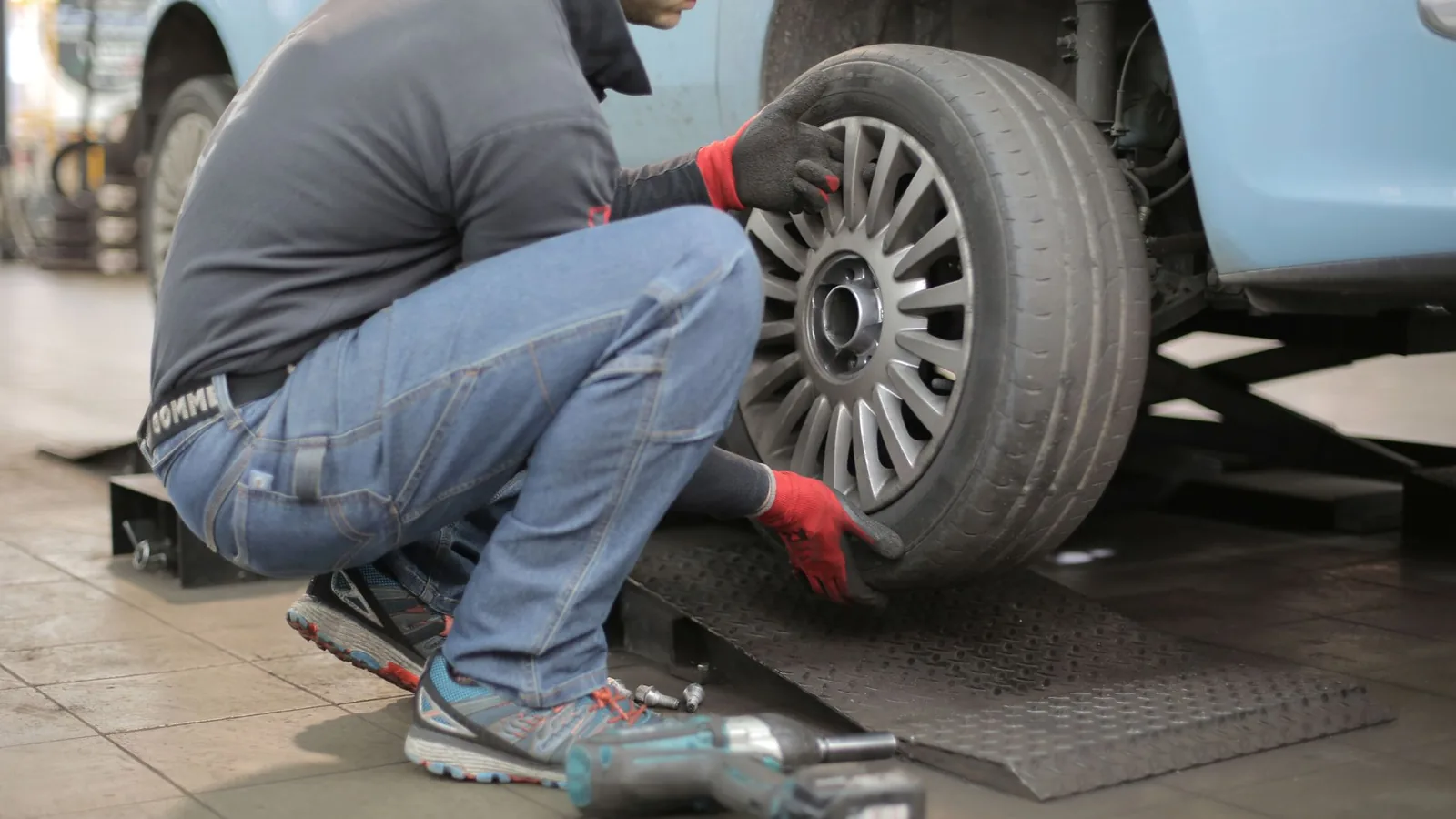
Low pressure gets inflated, flats get swapped for your spare, and a tire beyond saving earns a short tow to the nearest shop — your pick.
Lockout assistance
Keys behind glass, dinner going cold. Our operators open vehicles without damage and get you back inside quickly.
Fuel delivery
Enough fuel to reach the nearest station, delivered to wherever the gauge finally won its argument.
THE STANDARD
Why Drivers Trust Us With the Small Stuff
Small jobs deserve the same discipline as big ones. Every operator runs under California's Motor Carrier Permit program and CHP tow-truck certification — the same standard that governs our tow work — and the same clear-pricing rule applies: you'll know the cost before work starts, with no surprise charges after.
Availability is the other half of trust. Roadside problems don't wait for business hours, so neither do we: 24/7, every day, with a straight answer about whether your problem is a five-minute fix or a tow. If it's a tow, the truck is dispatched from the same call — no second phone tree, no starting over.
If you're stuck right now, don't sit there weighing options on the shoulder. Call our towing company in Madera, CA, tell us what happened, and we'll either fix it where it sits or carry it where it needs to go. Either way you're off the roadside faster than you'd guess.
THE HANDOFF
When Roadside Help Isn't Enough
Some problems reveal themselves mid-fix: the jump that won't hold, the spare that's flat too, the lockout that turns out to be a dead fob on a push-button car. When that happens there's no second phone call and no starting over — the same dispatcher upgrades the job to a tow, the truck already rolling is often the right one, and pricing gets re-quoted clearly before anything changes.
That handoff matters more here than most places. Summer is the season that breaks vehicles in the Valley — heat that cooks batteries which tested fine in March and pushes worn tires past their limit on the afternoon commute. And a stalled car in dense winter fog is a recovery job, not a jump-start. Knowing when a small problem has become a big one, and acting on it without wasting your time, is half the value of calling professionals.
Whatever the day throws at you, the promise holds: one call, a clear answer about what your problem actually is, and either a fix on the spot or a safe ride to wherever the fix lives.
BE READY
A Little Preparation Goes a Long Way
Roadside trouble is random; being ready for it isn't. Twice a year — before summer and before the winter fog season — check the battery's age, the spare's pressure, and that the jack and key tools are actually in the trunk where the manual claims. Five unglamorous minutes in the driveway prevents most of the calls we take.
And when trouble finds you anyway, don't burn an hour troubleshooting in traffic. Pull as far off the road as possible, put hazards on, and call. Describing the symptoms honestly — what it sounded like, what the dash said, what you already tried — gets you the right help the first time, whether that's a two-minute fix at the curb or a ride to the shop.
Call now and we'll get a truck headed your way
Flat, dead battery, locked out, or empty tank — one call and help is rolling.